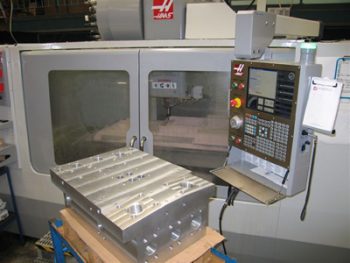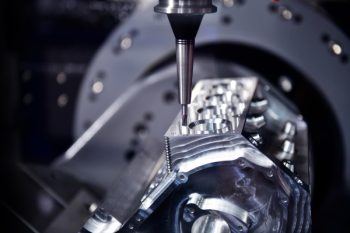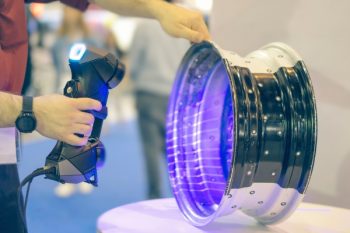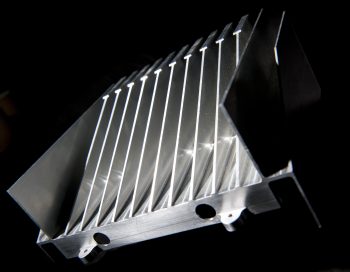
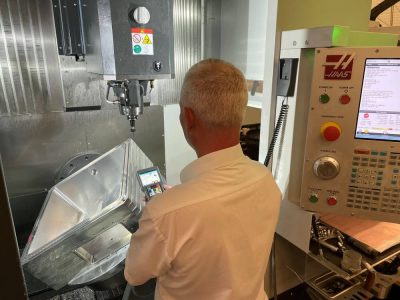
High-precision CNC machining is a computer numerical control (CNC) manufacturing process that uses computer-controlled machines to remove material layers from a workpiece, creating highly accurate and precise parts. In the electronics industry, high-precision CNC machining plays a vital role in producing custom components that meet strict industry standards. Precise components are essential in electronics as they ensure proper fit, form, and function, ultimately affecting the overall performance and reliability of electronic devices. Continue reading →
Computer Numerical Control (CNC) machining has revolutionised the manufacturing process in various industries, and aerospace is no exception. CNC machining allows for the precise and efficient production of complex parts, making it an essential technology in aerospace manufacturing. The aerospace industry requires high precision, accuracy, and reliability in its products, and CNC machining helps meet these demands. This article will delve into the various applications of CNC machining in aerospace manufacturing, highlighting its significance and recent advancements in the field. Continue reading →
Thompson Precision Engineering is a leading provider of high-precision CNC machining services, specialising in rapid prototyping, product development, and full-scale production. Finding a reliable machining partner is crucial for ensuring timely delivery and exceptional results. Thompson Precision Engineering stands out from the competition with the extensive range of services, including precise engineering, fast turnaround times, large milling capabilities, mechanical design expertise, reverse engineering and more. Continue reading →
5 Axis CNC Machining is a computer numerical controlled (CNC) machining process that uses five axes to remove material from a workpiece. The five axes include three linear axes (x, y, and z) and two rotary axes (a and b), which allow the cutting tool to move freely in a 3D space. This versatile process enables the creation of complex shapes and designs with unparalleled precision and efficiency. By leveraging this technology, businesses can produce high-quality products quickly and cost-effectively, giving them a competitive edge in today’s fast-paced marketplace. Continue reading →
In the intricate realm where science, technology, and healthcare converge, a silent revolution is underway. Precision engineering, with its artful fusion of meticulous design, cutting-edge technology, and unwavering accuracy, is emerging as the driving force behind a new era of medical innovation. From the delicate instruments that enable life-saving surgeries to the advanced imaging systems that reveal the innermost secrets of the human body, precision engineering’s impact on the medical field is nothing short of transformative. Continue reading →
The emergence and rise of artificial intelligence (AI) technology is causing a seismic shift across various sectors, and the field of engineering is no exception. AI, with its enormous potential to process and analyse vast amounts of data, offers transformative solutions that can overhaul the way engineers approach their work. We delve into the exciting future of the engineering industry, shaped and streamlined by the profound impact of AI. Continue reading →
Precision engineering is a specialised field that involves the manufacturing of components with extremely high levels of accuracy, consistency, and reliability. While the benefits of precision engineering are well-known in many industries, including aerospace, medical devices, and electronics, its impact on the overall efficiency and profitability of manufacturing operations is often overlooked.
Precision engineering is an essential component of the aerospace and defence industry. Aerospace and defence technologies require incredibly precise and reliable components to ensure safe and efficient operations. Precision engineering techniques and technologies have enabled advancements in aviation, space exploration, and defence systems, enhancing our capabilities and pushing the boundaries of what’s possible. Continue reading →
As technology advances, so does the capabilities of machines. This has led to new ways of thinking when it comes to machining processes. Two popular methods are laser cutting and CNC machining. We will take a look at how they compare and how each process is best suited for certain applications. So, whether you’re a manufacturer looking to update your process or simply curious about the latest and greatest in machine technology, read on! Continue reading →
CNC machining is a type of manufacturing process that uses computer-controlled machine tools to create parts with high precision. This technology has been around for decades and has been used extensively in various industries, including aerospace, automotive, and medical.
In recent years, however, CNC machining has become increasingly popular in the field of research and development due to its many benefits. Let’s take a closer look at what CNC machining is and how it can be beneficial for research and development engineers. Continue reading →
Mechanical product design by engineering professionals
Slide
12 years experience in layer rapid prototyping technologies
Slide
We only use the latest CNC technologies
Slide
Engineering advice you can trust
Slide
Fast and accurate, every time
Slide
Rapid delivery precision engineering since 1939
Slide
Large scale CNC Milling
Testimonials
"Many of our components require very tight turnaround times and your efforts in helping us to meet our deadlines are greatly appreciated.."
– By F1 Team
"Thompson Precision produce parts for us for use in film shoots where accuracy and finish are extremely important and deadlines near impossible. The results always leave our clients stunned.."