

Did you know machining Inconel can wear out cutting tools up to three times faster than stainless steel? These superalloys power jet engines and surgical implants, forming the backbone of high-performance engineering. Yet their exceptional strength makes them notoriously difficult to machine, prone to rapid tool wear, heat buildup, and distortion.
The challenge isn’t just technical, it’s a test of process discipline. Mastering titanium and Inconel doesn’t require costly trial and error. It demands precision tooling, optimised parameters, and proven partnerships that turn tough materials into reliable components.
The Art and Science of Exotic Metal Machining
Aerospace, motorsport, defence, and medical manufacturers rely on these alloys for performance under extreme pressure. Demand surges for lightweight strength and corrosion resistance in critical parts like turbine blades, implants, and structural frames.
Thompson Precision stands as a trusted expert with decades of experience in CNC machining close-tolerance components. Our team masters the quirks of Grade 5 titanium and Inconel 718, delivering from prototypes to production runs.
In this article, we explore proven strategies for machining titanium and Inconel, balancing toughness with accuracy, protecting tooling, maintaining surface integrity, and ensuring consistent quality.
Understanding Exotic Metals: Why They Challenge Machinists
Exotic metals represent high-performance alloys engineered for durability under extreme stress, temperature, and corrosion. Unlike standard steels or aluminiums, titanium and Inconel deliver unmatched properties for mission-critical applications, but they test even seasoned machinists.
| Alloy | Key Properties | Common Applications | Machining Difficulty |
| Titanium | High strength-to-weight, poor thermal conductivity | Aerospace, medical, automotive | Moderate to high |
| Inconel | Heat and corrosion resistance, work-hardening | Turbines, energy, defence | Very high |
Titanium’s low thermal conductivity traps heat at the cutting zone, accelerating tool wear and risking thermal damage to the workpiece. Inconel’s notorious work-hardening stiffens the material during cuts, creating surface distortion, built-up stresses, and unpredictable chip formation.
Tight tolerances in these alloys demand precise control over feeds, speeds, and coolant flow to maintain geometry and surface finish. With the right approach, specialised tooling, rigid setups, and process optimisation, these challenging metals deliver exceptional, repeatable results.
Best Practices for Titanium Machining
Titanium earns its reputation as the lightweight heavyweight for good reason. Grade 5 titanium (Ti-6Al-4V) combines exceptional strength-to-weight ratio with corrosion resistance, but its poor thermal conductivity and tendency to gum up tools create unique machining hurdles.
Material Insights
Titanium conducts heat poorly, about five times worse than steel, causing rapid temperature spikes at the tool tip. Chips weld to the tool, build up edges, and risk work hardening if not managed.
Proven Machining Strategies
- Tooling choices: Opt for sharp, polished carbide inserts with TiAlN or AlTiN coatings to resist heat and adhesion. Avoid high-helix end mills that exacerbate chip packing.
- Cutting parameters: Lower speeds (100-200 m/min) paired with higher feeds (0.1-0.3 mm/tooth) promote clean shearing. Climb milling reduces heat input and chatter.
- Coolant essentials: High-pressure through-tool coolant (70+ bar) floods the cut, evacuates stringy chips, and prevents thermal distortion.
Fixturing and Quality Control
Secure workholding with minimal clamping pressure to avoid distortion, vacuum fixtures or soft jaws work best. Monitor expansion with in-process probing and CMM verification post-cool-down.
Shop Floor Tip
“Titanium forgives steady hands but punishes impatience. Let the coolant do the heavy lifting, and your tools (and parts) will last longer.”
Master these tactics, and titanium transforms from a challenge into a competitive edge for aerospace frames, medical implants, and motorsport components.
Best Practices for Inconel Machining
Inconel pushes machinists to their limits with its superalloy composition, primarily nickel, chromium, and iron, designed to thrive in scorching heat and corrosive environments. Inconel 718, the workhorse grade, resists temperatures up to 700°C but work-hardens dramatically during machining, escalating cutting forces and tool wear.
Material Behaviour
Inconel’s high tensile strength (over 1,200 MPa) and rapid work-hardening mean the material stiffens as soon as the tool engages, creating abrasive conditions and built-up edges. Chips form tough, segmented pieces that resist evacuation, compounding heat and stress.
Proven Machining Methods
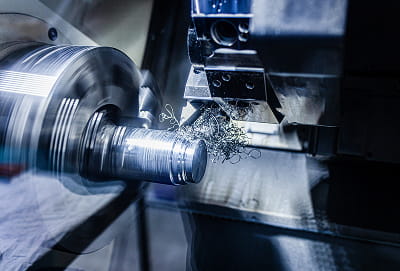
- Tooling selection: Choose rigid carbide tools with reinforced edges and AlTiN or PVD coatings for abrasion resistance. Ceramic inserts excel for roughing but require flawless setups.
- Parameter optimisation: Low cutting speeds (20-50 m/min) with steady feeds (0.05-0.15 mm/tooth) prevent rubbing and hardening. Constant tool engagement via trochoidal paths avoids dwell marks.
- Coolant strategy: Flood with high-pressure, soluble oil-based coolant to break chips and lubricate, minimum 50 bar through-tool for deep pockets.
Surface Finish and Tolerance Control
Post-roughing, stress-relief heat treatment prevents distortion during finishing passes. CMM inspection and on-machine gauging ensure tolerances hold under thermal contraction. Burr control demands sharp tools and vibration-free spindles.
Tooling and Cost Management
Monitor flank wear religiously, replace tools at first signs of chipping to avoid scrap. Partnering with experts slashes cycle times by 30-50% through optimised programming and material knowledge.
Inconel demands respect, but disciplined processes turn its ferocity into flawless turbine blades, defence housings, and energy components that perform without compromise.
Advanced Machining Techniques and Technology
Exotic metal machining thrives on cutting-edge technology that anticipates challenges before they arise. Thompson Precision leverages advanced CNC systems to conquer titanium and Inconel with efficiency and repeatability.
Core Technologies in Action
- 5-axis CNC machining centres enable complex geometries in single setups, reducing errors and cycle times for intricate aerospace and defence parts.
- CAM simulation software models heat distribution, tool loads, and chip flow, optimising toolpaths before a single cut.
- High-speed spindles (up to 20,000 RPM) paired with hybrid turning-milling deliver consistent performance on tough alloys.
Quality Assurance Backbone
Real-time in-process probing catches deviations instantly, while temperature-controlled CMM inspection verifies tolerances down to microns. ISO 9001 and AS9100 compliance ensures full traceability from billet to finished component.
Sustainable Edge
Smart coolant recycling systems minimise waste, and optimised chip management recovers valuable material. These practices cut costs while meeting environmental standards in high-spec industries.
Technology alone doesn’t guarantee success, it’s the integration with material expertise that produces parts ready for the harshest environments.
Common Pitfalls and How to Avoid Them
Even experts encounter pitfalls when machining titanium and Inconel. Recognising these traps early saves time, tools, and scrapped parts.
Frequent Machining Mistakes
- Inadequate tooling for Inconel: General-purpose end mills dull rapidly, causing chatter and poor finishes. Solution: Switch to coated carbide or ceramics from the start.
- Overheating titanium components: Insufficient coolant leads to expansion and out-of-tolerance features. Solution: Mandate high-pressure through-spindle delivery and monitor temperatures.
- Neglecting work-hardening in Inconel: Dwell during tool re-entry stiffens the material. Solution: Use adaptive toolpaths with constant engagement.
Real-World Fixes
One aerospace job saw 20% scrap from vibration-induced burrs on titanium frames. Tightening fixturing and shortening tool sticks dropped rejection rates to zero.
Rushing setups without CAM verification often spirals into rework. Always simulate first, virtual runs catch interference before metal flies.
Preparation trumps improvisation. Spot these issues upfront, and exotic metals become allies, not adversaries, in your production line.
Partnering for Success: Why Experience Matters
Exotic metal machining defies one-size-fits-all approaches. Success hinges on deep material knowledge, iterative process refinement, and adaptive problem-solving.
Thompson Precision boasts decades of high-tolerance work for motorsport, aerospace, and defence clients, proving reliability under pressure. From precision titanium bolts to complex Inconel fittings, our team delivers stringent specifications on aggressive schedules.
Early collaboration optimises designs for manufacturability, thinner walls where feasible, strategic draft angles, and feature consolidation cut cycle times and costs without sacrificing performance. Experienced machinists anticipate challenges like thermal growth or chip nesting, slashing scrap rates and speeding time-to-market.
Trust a partner with billet stock, rapid prototyping, and full traceability for seamless supply chain integration.
Precision earns its reputation through consistent execution. When titanium and Inconel components must perform flawlessly, proven experience bridges the gap between design intent and real-world reliability.
Turning Tough Materials Into Competitive Advantage
Exotic metals like titanium and Inconel challenge machinists with heat buildup, work-hardening, and tool wear, but proven strategies turn these hurdles into strengths. Key takeaways include sharp coated tooling, optimised low-speed parameters, high-pressure coolant, rigid fixturing, and CAM simulation for titanium and Inconel components.
Thompson Precision delivers these practices through 5-axis CNC expertise, CMM verification, and decades of high-spec experience in aerospace, defence, motorsport, and medical sectors.
Ready to transform your next project? Contact Thompson Precision for a no-obligation consultation on machining titanium, Inconel, or other superalloys. Visit thompsonprecision.co.uk or email [email protected] to discuss prototypes, production runs, or design optimisation.
FAQs
Why are titanium and Inconel difficult to machine?
Their poor thermal conductivity and work-hardening properties accelerate tool wear and cause distortion, demanding precise control.
What coolant works best for these alloys?
High-pressure through-spindle coolant (50+ bar) evacuates chips and manages heat effectively.
How does Thompson Precision ensure quality?
ISO 9001 processes, in-process probing, and temperature-controlled CMM inspection maintain micron-level tolerances.
Which industries benefit most?
Aerospace, defence, motorsport, energy, medical, and scientific sectors needing performance-critical parts.
Do you handle prototypes or small batches?
Yes, with rapid turnaround, material stock, and DFM support from concept to production.